Intimacy Disorder Treatment: Healing the Root Cause
Intimacy disorder treatment goes beyond stopping behavior. Dr. Michael Barta explains how nervous system healing creates lasting change.

Intimacy disorder treatment goes beyond stopping behavior. Dr. Michael Barta explains how nervous system healing creates lasting change.
Does sex addiction treatment work? Dr. Michael Barta explains what real change looks like, why men relapse, and what heals the cause.
Defensiveness after betrayal isn’t a character flaw. Learn why it happens, what it costs her, and how to listen instead.
Betrayal trauma counseling is therapy that treats the shock, fear, and body-based symptoms that follow discovering a partner’s secret sexual behavior. It helps you process what happened, calm your nervous system, and decide your next steps, all at your own pace.
If you’re searching for a porn addiction therapist, you’ve probably already tried to stop on your own. You may have made promises, installed accountability software, or relied on sheer determination, only to find yourself back in the same cycle.
If you’ve discovered a partner’s secret sexual behaviors, pornography use, infidelity, or years of deception, your world may feel like it shattered overnight. You may question your memories, your instincts, and even your ability to trust yourself.
Betrayal trauma therapy helps people heal from the emotional and nervous system impact of profound relational betrayal. Rather than simply helping someone “move on,” effective betrayal trauma treatment focuses on restoring safety, helping you reconnect with yourself, and supporting lasting betrayal trauma recovery.
The pain you’re experiencing is real. More importantly, it makes sense.
When a partner discovers betrayal, most couples want one thing first. They want the behavior to stop. That makes sense. The behavior caused real pain and broke trust. But stopping the behavior treats a symptom. It does not heal the cause underneath it. That is why so many couples still feel stuck months or years later.
One of the biggest misunderstandings people have about recovery is believing that treatment itself is the finish line. Many people enter treatment hoping for a breakthrough moment that will permanently change everything. They want the compulsive behaviors to stop, the shame to disappear, the secrecy to end, and the relationship pain to finally settle down. After years of emotional exhaustion, many begin viewing treatment as the moment that will finally fix the problem once and for all.
When most people hear the word trauma, they picture extreme events. War. Sexual assault. Physical abuse. A serious accident. The sudden death of someone they love. These events can absolutely be traumatic, and their impact is real. But trauma is not only about big, dramatic events. It is also about how an experience shaped your nervous system, even if your life looked normal from the outside.
After betrayal, the betrayed partner’s nervous system becomes hypervigilant. This means it stays on high alert. This is not a choice.
"*" indicates required fields
"*" indicates required fields
"*" indicates required fields
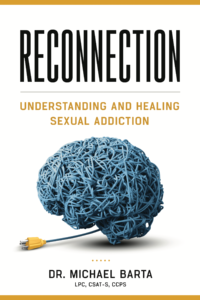
FREE BOOK
Get Dr. Barta’s book, Reconnection, free.
Download it right away, plus occasional updates from Dr. Barta.