Intimacy Disorder Treatment: Healing the Root Cause
Intimacy disorder treatment goes beyond stopping behavior. Dr. Michael Barta explains how nervous system healing creates lasting change.

Intimacy disorder treatment goes beyond stopping behavior. Dr. Michael Barta explains how nervous system healing creates lasting change.
When a partner discovers betrayal, most couples want one thing first. They want the behavior to stop. That makes sense. The behavior caused real pain and broke trust. But stopping the behavior treats a symptom. It does not heal the cause underneath it. That is why so many couples still feel stuck months or years later.
Wanting to change isn’t enough. Learn why honesty, not willpower, is the real first step in healing from compulsive sexual behavior.
When betrayal happens, most couples want one thing first. They want the behavior to stop. That makes sense. The behavior caused real pain. It broke trust. It left both people searching for a way forward.
Intimacy disorder is the inability to feel safe being fully known, vulnerable, and emotionally close to another person. It is not simply fear of commitment or trouble expressing feelings. It is a wound in the nervous system and in how a person relates to others.
Intimacy disorder is the inability to feel safe being fully known, vulnerable, and emotionally close to another person. It is not simply fear of commitment or trouble expressing feelings. It is a wound in the nervous system and in how a person relates to others.
By the time most people begin looking for help, they already understand a lot about their behavior. They know what they’re doing, when it happens, and often why it happens. And yet, despite all of that insight, the patterns continue. This is where frustration begins, because if understanding were enough, change would have already happened.
Understanding how intimacy disorder forms is an important first step, but for most people, the real shift happens when they begin to see how it shows up in their everyday lives. What once felt confusing or even frustrating starts to make sense.
Intimacy disorder does not begin with behavior. It begins much earlier, in the environments we grow up in and the experiences that shape how our brain and autonomic nervous system understand connection.
Why does connection feel so difficult—and sometimes even unsafe? Many people find themselves asking this question, especially when they genuinely want closeness but still feel the urge to pull back, protect themselves, or control how they are seen.
"*" indicates required fields
"*" indicates required fields
"*" indicates required fields
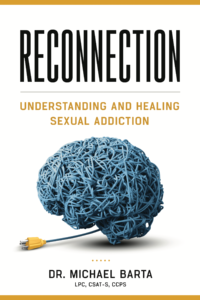
FREE BOOK
Get Dr. Barta’s book, Reconnection, free.
Download it right away, plus occasional updates from Dr. Barta.